If you are reading this you are either:
1. Jay
2. Future BorderBeat journalists
3. My mother
So, I hope you enjoy this reflection/tips for the future.
Looking back on this past semester and reflecting on the accomplishments of this BorderBeat staff, I am truly amazed at the progress we have made. We entered as 18 different students, all with different expectations for this capstone, and are leaving as multimedia journalists.
I was one of the editors-in-chief this semester, and had the unique experience of dealing with a mid-semester co-editor-in-chief switch. It was beneficial and has made the class run smoother. There have been deadlines, editing chains, and AMAZING stories written about so many different topics.
I've used this blog as a way to creatively explore the things most passionate to me through the lens of the US - Mexico border. I've always enjoyed entertainment and have LOVED discovering things like: a Hispanic artist with secrets, conjunto music, El Parador, and the Hobart Shakespeareans.
My favorite part of this class has been learning all of the wonderful multimedia skills that will be transferable to other jobs (if I find a job, post graduation). I'm able to produce great stories using Soundslides, Final Cut, Audacity, and learning html code to keep the Web site functional. If you, as a journalist, are serious about being able to function in this global and technological world than you NEED to learn these skills. Having Jay there to allow the creative freedom to report on the stories that you care about has been really rewarding.
If you are a future BorderBeat reporter here are a few tips for success:
1. Take the creative liberty to explore stories that you want to pursue
2. If you have strong editing skills then join the editing team
3. Take the time in the beginning of the semester to plan a couple of stories so that you aren't struggling at the end to get the grade you want.
4. Cherish any help John DeDios will give you (if he is still around)
5. Take the time to really learn any of the multimedia tools that you can because they are a necessity.
Hope this blog has helped you, because it is my last one for the class and reflecting has really helped me.
Peace out,
Alex
Monday, April 27, 2009

Monday, April 20, 2009
Artists on the Border
This week’s blog will be brief, but informative. I wanted to explore the world of artists who primarily focus their work on the U.S. – Mexico border. Drawing inspiration from the struggles and beauty that arise from the inherent division along the 300 plus miles of border, these artisans manipulate the tools of art to express their opinions, emotions, and desires.
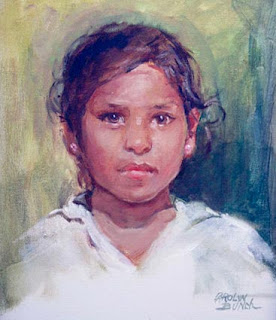
A group exists in Las Cruces, N.M. called The Border Artists wherein a collective of talented artists work and share their art with the two countries and their respective communities. According to the Web site, The Border Artists were founded in 1992 by artists Carolyn Bunch and Virginia Ness, and are the southwest region’s oldest professional artists’ organization. One of the most unique aspects of this troupe is the demand for group work. Many of the artists work together to develop a synergetic mingling of strength and talent which helps them achieve greater levels of artistry.
Below is a oil painting by featured artist Carolyn Bunch.
The group has two major art shows every year and their artwork can be seen exhibited in offices of governmental officials on both sides of the fence.
One of the most intriguing aspects of this group is their willingness to share their work with the global community. Online they provide interested viewers the opportunity to download a copy of The Book complete with biographies and selected works by current members of the collective. Click here to view this collection.
Here is a list of the current members and while any of the artists would be worth a look, my recommendations would be Suzanne Kane, Diana Molina, and Carolyn Bunch. But don’t worry my avid followers here is a gallery of all of the artists for you to enjoy.
A group exists in Las Cruces, N.M. called The Border Artists wherein a collective of talented artists work and share their art with the two countries and their respective communities. According to the Web site, The Border Artists were founded in 1992 by artists Carolyn Bunch and Virginia Ness, and are the southwest region’s oldest professional artists’ organization. One of the most unique aspects of this troupe is the demand for group work. Many of the artists work together to develop a synergetic mingling of strength and talent which helps them achieve greater levels of artistry.
Below is a oil painting by featured artist Carolyn Bunch.

The group has two major art shows every year and their artwork can be seen exhibited in offices of governmental officials on both sides of the fence.
One of the most intriguing aspects of this group is their willingness to share their work with the global community. Online they provide interested viewers the opportunity to download a copy of The Book complete with biographies and selected works by current members of the collective. Click here to view this collection.
Here is a list of the current members and while any of the artists would be worth a look, my recommendations would be Suzanne Kane, Diana Molina, and Carolyn Bunch. But don’t worry my avid followers here is a gallery of all of the artists for you to enjoy.
Sunday, April 5, 2009
Muy Comico
This week I wanted to write about something dear to my own interests…comedy. I perform weekly improv comedy shows and I know that I incorporate my cultural roots into my comedic routines and that made me wonder about other comedians and how important their cultural identity is to their comedic repertoire.
I began thinking about popular comedians who have used their race or ethnicity to incite laughter. While there are the obvious choices like Richard Pryor and Jerry Seinfeld, I had trouble searching my own brain for a list of popular Latino comics. Online I was able to find a specific list of Latino comedians…but I personally was unable to identify more than two. The most popular Latino/Hispanic comedians I could identify are George Lopez and Carlos Mencia…one of these men I respect, the other I think is a poor excuse for a comedian.
It interests me as to the nature of these two men’s inspiration for material. Both have drawn upon their cultural backgrounds for their routines but both have used their heritage for laughs in different ways. Both have had television shows (The George Lopez Show and Mind of Mencia) which have helped to launch their careers and both have been in physical altercations about the alleged stealing of Lopez’s jokes by Mencia. With all of that put to the side, it interests me to see the differences in comedic styles. WARNING - the following clips may have some adult language and themes.
Here is a clip of George Lopez:
And now here is Carlos Mencia:
Lopez’s comedy is based on his childhood and his experiences being raised in a Mexican-American community while Mencia often makes jokes about political issues including things about race, culture, and social class. I find it interesting that both men use their heritage in different ways to achieve the same purposes. Whether it is through popularity or scandal, these men are increasing their name in the comedic community and thereby raising the prominence of Hispanic comedy.
Because of the contributions of Mencia and Lopez there are things like “The Original Latin Kings of Comedy” film and Latino Comedy tours. They help pave the way for other Latino comedians like Gabriel Iglesias and Rudy Moreno. Ultimately, all Hispanic and Latino/a comedians work together to increase the message that the trials and tribulations of their people and culture are just as valid as any other race. Not to mention funny too.
I began thinking about popular comedians who have used their race or ethnicity to incite laughter. While there are the obvious choices like Richard Pryor and Jerry Seinfeld, I had trouble searching my own brain for a list of popular Latino comics. Online I was able to find a specific list of Latino comedians…but I personally was unable to identify more than two. The most popular Latino/Hispanic comedians I could identify are George Lopez and Carlos Mencia…one of these men I respect, the other I think is a poor excuse for a comedian.
It interests me as to the nature of these two men’s inspiration for material. Both have drawn upon their cultural backgrounds for their routines but both have used their heritage for laughs in different ways. Both have had television shows (The George Lopez Show and Mind of Mencia) which have helped to launch their careers and both have been in physical altercations about the alleged stealing of Lopez’s jokes by Mencia. With all of that put to the side, it interests me to see the differences in comedic styles. WARNING - the following clips may have some adult language and themes.
Here is a clip of George Lopez:
And now here is Carlos Mencia:
Lopez’s comedy is based on his childhood and his experiences being raised in a Mexican-American community while Mencia often makes jokes about political issues including things about race, culture, and social class. I find it interesting that both men use their heritage in different ways to achieve the same purposes. Whether it is through popularity or scandal, these men are increasing their name in the comedic community and thereby raising the prominence of Hispanic comedy.
Because of the contributions of Mencia and Lopez there are things like “The Original Latin Kings of Comedy” film and Latino Comedy tours. They help pave the way for other Latino comedians like Gabriel Iglesias and Rudy Moreno. Ultimately, all Hispanic and Latino/a comedians work together to increase the message that the trials and tribulations of their people and culture are just as valid as any other race. Not to mention funny too.
Subscribe to:
Posts (Atom)
